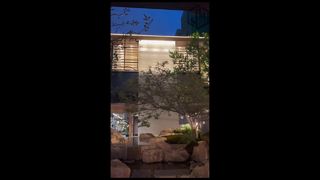
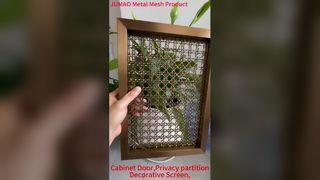
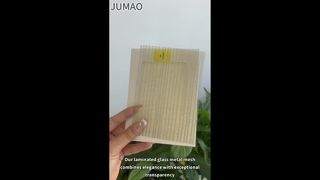
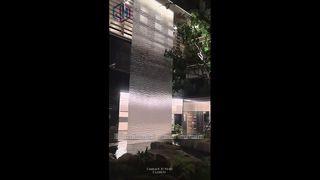
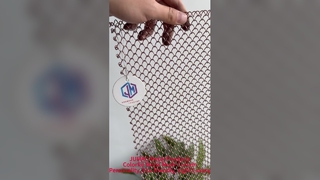
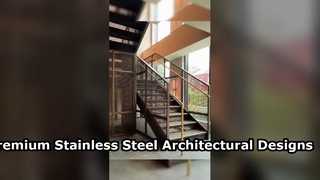
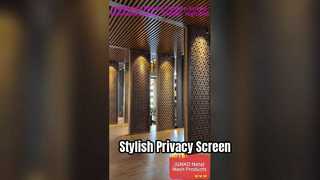
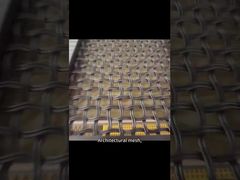
Brief: In this video, we showcase the Sprial Cabinet Decorative Wire Mesh Panel Steel for Wall Facades. You will see how these versatile panels are used in architectural applications, from mesh facades to room dividers. We explain the manufacturing methods, material options like brass and stainless steel, and the unique 'living finishes' of copper-based alloys. Watch to understand the structural benefits and creative possibilities for your next project.
Related Product Features:
Available in various materials including iron steel, stainless steel, aluminum, and brass.
Offers multiple wire diameters ranging from 1.5mm to 12.0mm for different structural needs.
Customizable lengths and sizes to fit specific architectural and design requirements.
Features finishes like galvanized, chrome, and painting for enhanced durability and aesthetics.
Suitable for both indoor and outdoor applications due to its robust and self-sustaining nature.
Non-combustible and fire-resistant, meeting safety and security standards in construction.
Provides creative versatility for facades, wall coverings, ceiling systems, and room dividers.
Living finishes on copper-based alloys offer a unique, evolving aesthetic over time.
FAQs:
What materials are available for the Sprial Cabinet Decorative Wire Mesh Panel?
The panels are available in a variety of materials including iron steel, stainless steel, aluminum, brass, copper, phosphor bronze, and weathering steel, allowing for customization based on project needs and aesthetic preferences.
Can the wire mesh panels be used for both indoor and outdoor applications?
Yes, these decorative wire mesh panels are suitable for both indoor and outdoor use. They are durable, robust, and designed to meet safety and security requirements, making them ideal for facades, wall coverings, and other structural applications.
What are 'living finishes' and how do they affect the appearance of the mesh?
Living finishes refer to copper-based alloys like brass, bronze, and copper, which naturally tarnish over time due to oxidation. This creates a unique, evolving aesthetic that can be maintained or altered with secondary processes to achieve desired looks, such as accelerated darkening or preserved brightness.